
Whether it be a small or a large residence, pest infestations are common in London homes. Often, people talk about pest extermination. But have you ever thought about how to prevent pests in your home? A conscious prevention can keep your sweet home free of pests.
From insects to rodents, pests can cause serious damage to your health and property. If you ignore pest prevention, you may end up doing pest control multiple times as a continuous process. Can you prevent pests at home? Absolutely. Ensure a hygienic habitat, seal the entry points, and maintain your home exterior to prevent pests. Despite the differences in size, characteristics, and activities, pest prevention techniques for all pests are quite similar.
13 Proven Ways to Prevent Pests in London Homes
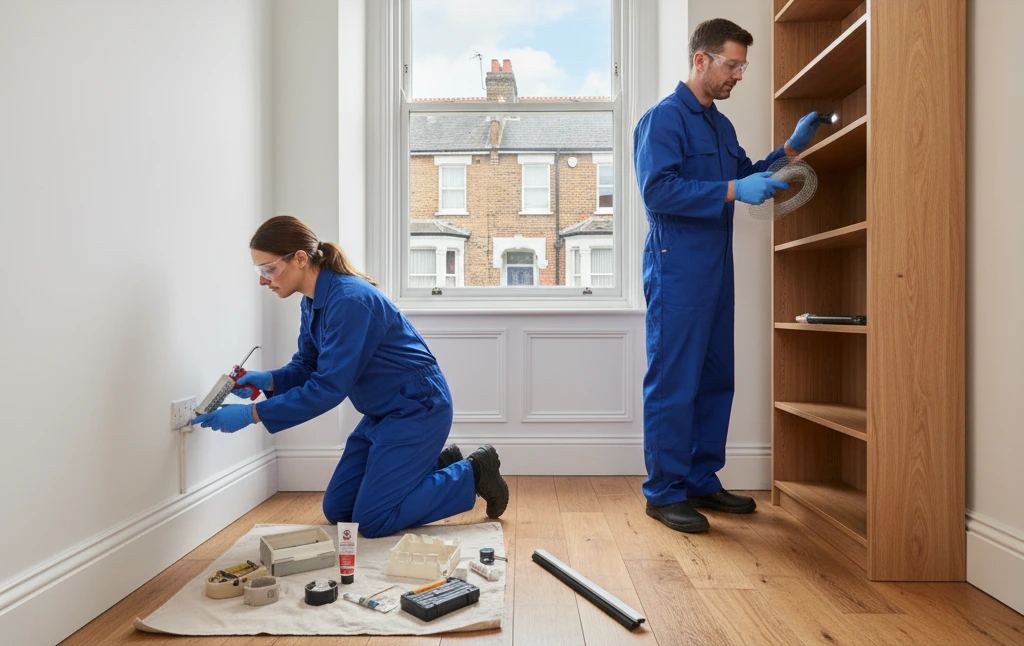
Pests are scarier than even the worst nightmare. One who suffered pest infestation will never want to experience that again. Pest prevention techniques are some basics that a well-maintained UK home must follow. Here’s how to prevent pests in your home as a DIY-
1. Maintain a Hygienic Habitat
Cleanliness is the key. Pests get attracted to food that is spread around or garbage that is not well-maintained. Keeping your home dry and clean can be highly beneficial. Clean the entire house, including floors, walls, kitchen, bathroom, crawl area, attic, etc. You should wipe off your kitchen countertop right after you’re done cooking.
2. Store Foods Wisely
Opened food jars, leftover food, etc., can invite pests into the room. Once you finish cooking, you must eliminate all traces of food. Store the foods in airtight jars or boxes. The food-containing jar or box must be made of glass, stainless steel, or thick plastic. Airtight boxes will hide food smells and keep pests away. Store pet foods and bird seeds in the same way.
3. Clean Up Spills and Dishes
Wipe off any spills right away to eliminate their stains and smells. Never leave the unwashed or used dishes overnight. You also shouldn’t leave pet food and water in the bowl overnight. Once they are clean, store them dry.
4. Dump Trash Daily
Trash handling is mandatory. You must dump the trash into a garbage bin outside. Close the garbage bin using its lid and keep it 10-12 feet away from the home. You shouldn’t store trash for long. Dispose of them daily. Trash should be wrapped in a thick plastic bag and dumped into the bin. Pests can also invade due to garbage smells, as they contain food leftovers.
5. Seal the Entry Points
First, inspect the openings and holes. Then, seal the holes, cracks, and crevices using strong metal sealants. Use steel wool, copper metal mesh, and silicone caulk to seal those entry points.
6. Use Natural Repellents
Spray peppermint oil, clove oil, lavender oil, etc. You can also keep strong smells near the openings, such as vinegar, cinnamon powder, or lemon peels. Repellents work against specific pests, such as bed bugs and rodents.
7. Check if Windows and Doors are Closed
Pests can invade through windows or under the door. You should keep them closed and use a metal mesh under the door. Window screens can be the best option, as they are designed to allow air while keeping pests away. They may contain a mesh-embedded frame for extra protection.
8. Cover the Vents
Pests can invade through chimney vents, air vents, utility pipes, etc. To prevent them, you must use covered vents. Try using metal mesh in the vents so that the pests can’t make their way to your home through them.
9. Check Water Leaks
Repair any leaked pipes, AC units, or dripping taps to prevent moisture. A water leak can cause water accumulation in the plant trays or stagnant water in the pot. Accumulated water can create a humid environment suitable for pests like termites and cockroaches. Pour out any stored water whenever you see it around your home.
10. Trim Tree Branches, Shrubs, and Grasses
Pests like rodents, squirrels, ants, etc, can invade through tree branches or garden greens. Trim them off and keep tree branches, shrubs, and grasses at least 5-6 feet from the home. It also prevents pests from invading from the neighbourhood buildings.
11. Store Garden Woods Away from the Yard
Keep the garden woods at least 15-20 feet from the yard. Clean up tree leaves, grass weeds, and standing water. Keep the yard free and let the sunlight shine on it.
12. Declutter Cards and Papers
Newspapers, cards, frames, etc, can be hidden shelters for tiny pests such as bed bugs. Declutter all of them to keep pests away from warm shelters.
13. Vacuum Carpets Regularly
Bed bugs, carpet beetles, and moths often hide under carpets. Vacuuming the carpet will reduce the risk and prevent them from spreading widely.
Pro Tips: How to Prevent Pests in Your Home?
Following the prevention techniques will help you with pest-proofing. However, you must consistently keep your house clean and take some precautions. Here are some of the pro tips that you can apply for a better result-
- Double Check Your Belongings Before Entering Home
When returning from outside, you should check your luggage, bags, and other belongings to check if you’re carrying a pest. Also, wash your clothes with hot water, as you came from an unknown place that might contain pests.
- Stay Vigilant Always
Inspect hidden corners, garden woods, vents, frames, clutter, etc., regularly. Look for holes and check if any openings remain after sealing. Use a dehumidifier in humid weather.
- Don’t Neglect Mild Infestations
Take it seriously, even if you find a small dropping or mild signs of pests. If you exterminate at a primary stage and prevent pests, they won’t be able to infest further. Hire professional residential pest controllers if required.
Final Thoughts
Utilise the techniques and don’t panic when thinking about how to prevent pests in your home; not anymore. Proper maintenance, cleanliness, and vigilance are all you need to ensure. Once you seal the openings, check them regularly to see if any repair is required.
Pest proofing is not challenging; it’s about taking steps against the tiny pest army. Enough of suffering pest tortures, now the ball is in your court. Prevent them wisely.
FAQ:
What is the most effective way to prevent pests?
The most effective ways to prevent pests are to remove food sources, block entry points, and be vigilant. Also, keep the outdoor yard clean.
What keeps bugs away from the house naturally?
Some repellents, such as peppermint oil, lavender oil, clove oil, etc, can keep bud bugs away. Diatomaceous earth can kill bed bugs by dehydrating them.
What is the best pest control method?
IPM(Integrated Pest Management) is the best pest control method. It strategically combines chemical, physical, and biological methods.
What is the hardest pest to remove?
Bed bugs, termites, cockroaches, and rodents are the hardest pests to remove. Bed bug control is the most difficult among them.
What time of year is best for pest control?
Early spring is the best time for pest control. You can try pest control for rodents in late summer.
Can I sleep in my house after pest control?
Once the pesticides dry completely, you can enter your house and sleep. Remember to ensure proper ventilation after entering and wash your hands properly.
Can I mop after pest control?
We recommend mopping at least 24 hours after pest control. Ensure it’s a light mopping. Otherwise, your pest control may lack effectiveness. Feel free to contact us for any queries.