Pests are more than irritating nuisances. They destroy peace, sleep, and health. That’s why pest control is mandatory and should be the highest priority. Despite knowing the harmful impacts of pests, some people find pest control cruel and inhumane.
To portray its urgency, you must shed light on the purposes. But what is the purpose of pest control? Acknowledge it here with clarity and make people understand the positive impacts of pest treatments.
Pest control has no substitute once pest infestation is addressed. The methods exterminate harmful pests and prevent their further invasion. Considering environmental safety, most pest control methods are now eco-friendly.
What is Pest Control?
Pest control means controlling or eliminating pests using biological, physical, or chemical methods. It exterminates pests and prevents them from returning. Some DIY pest control methods are effective. However, you must hire a professional pest control company if the pest infestation is severe.
Classification: What are the Three Methods of Pest Control?
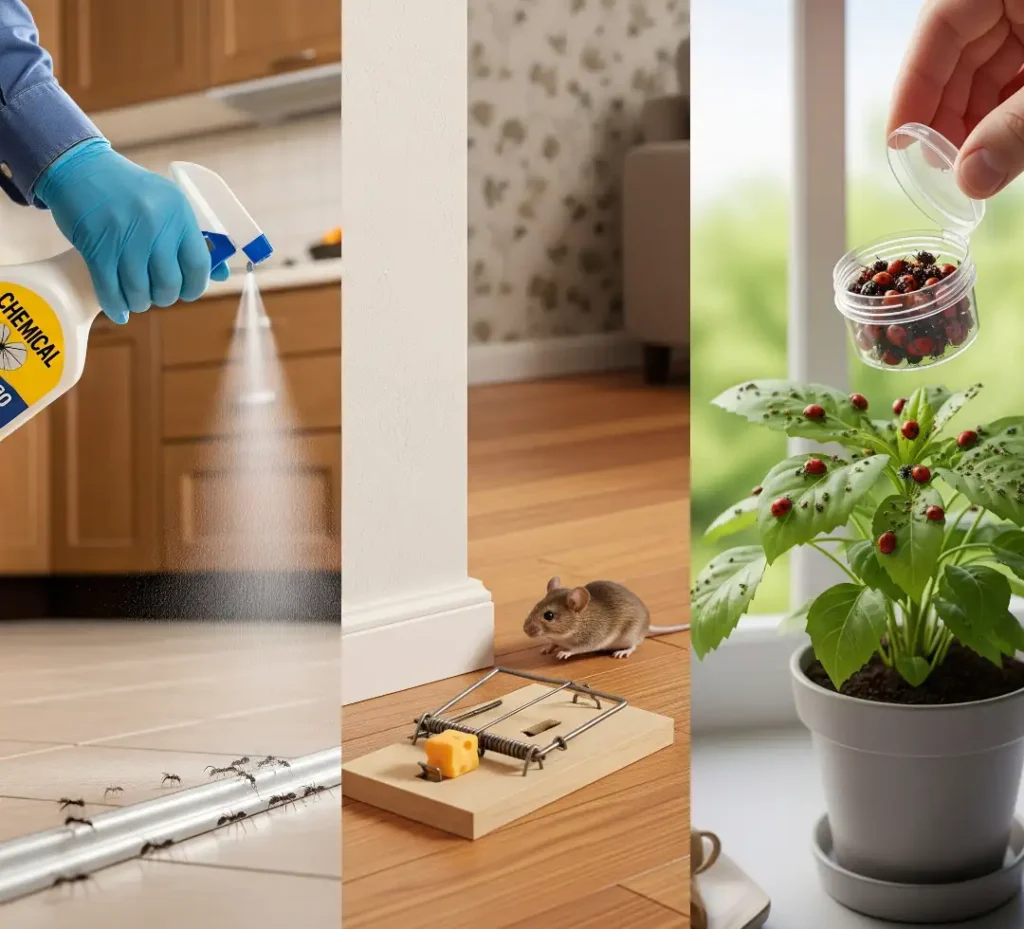
Three main pest control methods are mostly used all over the UK: Chemical, Physical, and Biological. You can try a DIY physical and biological pest control.
For chemical pest control, you must hire professionals, whether it is residential pest control or commercial. Let’s delve into the pest control methods.
1. Chemical pest control
Chemical pest extermination is required when the infestation is massive. An expert pest control technician must do it. Trying a DIY with chemical pesticides is not recommended unless you’re qualified.
2. Physical pest control
Traps, repellers, baits, glues, etc., can be used for physical pest control. For mild to moderate pest infestations, you can try DIY or hire professionals.
3. Biological pest control
If pest infestation is mild, you can try a DIY biological pest control. You can also hire professionals for biological pest control. The process utilises pest rivals to prevent or eliminate pests.
These are the typical three methods of pest control in the UK. However, IPM (Integrated Pest Management) is now the most used method, as it combines all three methods into an integrated system.
What is the Purpose of Pest Control?
Behind every approach, there is a purpose. The purposes of pest control are many. Only adequate pest control can serve this purpose. Let’s learn about the purposes in detail.
1. Protecting the public health
One of the major purposes of pest control is ensuring public health safety. Pests carry or produce pathogens, and some spread dangerous diseases.
Let’s consider how threatening pests are to public health:
i. Transmits diseases
Pests transmit devastating diseases. For example, the bubonic plague outbreaks in Madagascar are caused by pests. Pests spread the germs. Cockroaches spread Salmonella, E coli, diarrhoea, etc. Mosquitoes carry germs of dengue, malaria, Zika, chikungunya, etc.
Rodents spread leptospirosis, hantavirus, etc. These are severe health hazards. Moreover, dust mites and cockroaches produce allergenic ailments that cause allergy and trigger asthma.
ii. Contamination
Most pests, such as rodents, cockroaches, bugs, etc, leave droppings and germs. They roam in unhygienic places and contaminate food and food supplies. Contaminated, unhygienic foods cause foodborne diseases.
iii. Destroys mental peace
Pests cause unavoidable anxiety that creates mental stress and pressure. They destroy sleep and mental peace.
Pest control eliminates pests and restores mental peace. Adequate pest control prevents all risk factors for public health and ensures well-being.
2. Property protection and preventing accidents
Pests make living spaces dirty. Pests like rodents can cause huge damage to the property, including expensive furniture. They can gnaw on the electric cables, puncture water pipes, and chew gas pipes. These incidents can cause fire hazards, flooding in rooms, and even death by gas outburst.
The UK insurance sector estimated that 10% to 40% of electric fire hazards are caused by rodent damage. Moreover, termites eat through wooden furniture, beams, and flooring.
Pest control relaxes you by protecting properties and eliminating the risks of accidents.
3. Maintaining food hygiene and safety
Pests can detect food sources and invade near food premises. They leave droppings, urine, body hair, dust, bacteria, etc., near food supplies, which can lead to diseases.
Pests are the greatest threat to the food industry. They roam near food production, food packages, and available food supply. So, the only way to keep food hygienic is pest control.
You need commercial pest control for farms, food warehouses, restaurants, etc. However, pest control in kitchens and house pantries is also essential.
4. Ensuring the peace of mind
Pest infestation can be the reason for your sleepless nights. Sudden bites, itching, visible pests, droppings, etc, increase mental stress. You can’t release the anxiety of pests until you eliminate them.
They can traumatise you in a way that you can feel delusional bites even if there are no pests at times.
Pest control brings back the peace of mind and gives a hygienic feel. A house free from bed bug bites, fear of cockroaches, and nasty, running rodents sounds psychologically comforting.
5. Following the regulations
In the food, healthcare, and hospitality sectors, pest control is not a choice, but a legal requirement. House pest control should also follow some regulations.
Professional pest control technicians maintain the regulations and eliminate pests correctly.
6. Protecting investments
Pest infestation can spoil a business’s reputation. Investment in the food industry, whether it be baking, food processing, running a restaurant business, or food packaging, can go in vain due to pests.
Unhygienic and pest-attacked food is not eligible to be served or packaged for customers. Pest control protects your business investments and saves your reputation.
7. Keeping the environment safe
The most effective and eco-friendly pest control method is the IPM (Integrated Pest Management). Nowadays, people are more conscious about environmentally friendly pest control.
That’s why pest control is safe and highly recommended. Pests will be exterminated while keeping honey bees, cats, etc, safe.
Common Pests that Need Pest Control
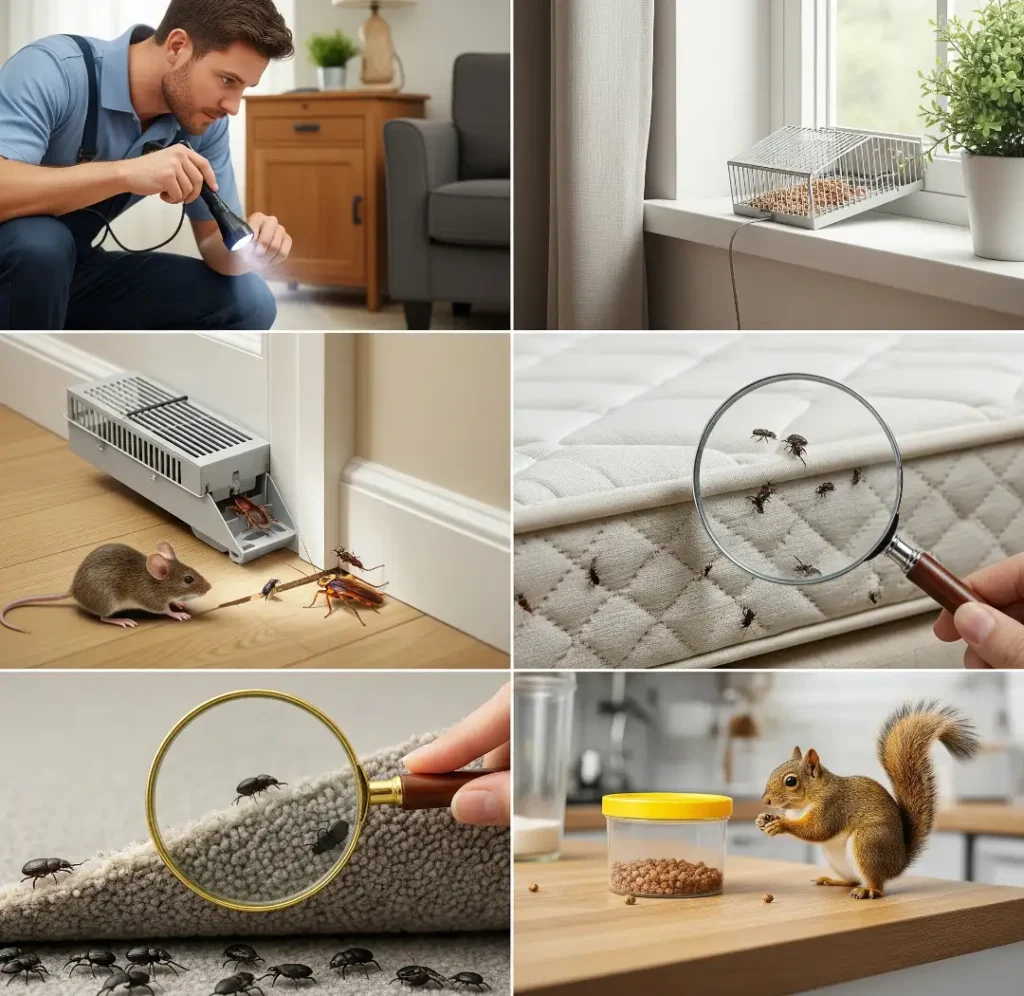
Pest control is designed to eliminate harmful pests, including rodents, insects, and birds. Some common pests are often found in UK houses and need pest control.
Those common harmful pests are-
- Rodents(Rats, Mice, etc.)
- Squirrels.
- Bed bugs.
- Carpet Beetles.
- Cockroaches.
- Ants.
- Wasps.
- Moths.
These are the most commonly found pests that require urgent pest control once their infestation is identified and addressed.
How Often Do You Need Pest Control?
To achieve the pest control goals, remember what is the purpose of pest control and ensure adequate pest control frequently. You must know how often you need pest control according to your circumstances.
Let’s have an approximate estimation of pest control frequency:
| Pest Name | Pest Control Frequency | |
| Mild Infestation | Severe Infestation | |
| Rodents(Rats, Mice, etc) | Quarterly, 4 times a year, every 3 months interval | Bi-weekly/Weekly/Monthly |
| Bed Bugs | Quarterly, 4 times a year, | Bi-weekly/Weekly |
| Cockroaches | Every 6 months, twice a year | Bi-weekly/Weekly |
| Squirrels | Once every 3 to 6 months(chemical), for physical traps-twice daily | |
| Wasps | Twice a year or when needed | |
| Ants | Every 6 months, twice a year | Bi-weekly/Weekly/Monthly |
| Carpet Beetles | Every 3 months, quarterly | |
| Moths | Quarterly | 2-3 times a month |
Pest control takes 30 minutes to a few hours each visit. However, you must maintain the frequency without leaving it in the middle if you want to serve the purpose of pest control accordingly.
How Much Does it Cost for Pest Control?
As there is no generic cost, you can’t ask a pest controller how much pest control costs. However, they can offer you quotes or give ideas about an approximate estimated cost. It varies depending on the pest type, volume, infestation level, number of visits, etc.
Each pest control requires a minimum of 2 visits or more. However, at least 2 visits are recommended. Let’s have an overview of the average pest control costs in the UK:
| Pest Name | Average Pest Control Cost Per 2 Visit |
| Mice/rats/rodents | Starts from £180 |
| Bed Bugs | Starts from £190 (per property) |
| Cockroaches | Starts from £190 |
| Wasps | Starts from £137.50 (per Nest) |
| Squirrels | Starts from £200 |
| Ants | Starts from £165 (per Treatment) |
| Moth | Starts from £500 (per Treatment) |
| Carpet Beetles | Starts from £220 |
| Fleas | Starts from £150 (per property) |
5 Mistakes that May Spoil the Purpose of Pest Control
One-time pest control is not sufficient for any pest. Maintenance and conscious steps also play major roles here. Let’s talk about the most common 5 mistakes that can ruin your purpose of pest control:
1. Inadequate or wrong pest control method
An inexperienced pest controller or inadequate pest control can allow the pest to infest repeatedly. Applying the wrong chemicals can also lead to pest control failure and may cause health hazards.
Choosing a correct pest control method and hiring an expert pest control technician are the crucial details you can’t skip.
2. Poor hygiene and low maintenance
Once the pest control is done, you must ensure proper hygiene to avoid further pest infestation. Some Poor hygiene activities are-
- Keeping dirty dishes and leftover food open overnight.
- Not sealing the trash bins.
- Improper cleaning of the house.
These activities allow pests to invade and increase the risks of infestation. To serve pest control purposes, hygiene maintenance is one of the major factors.
3. Skipping preventive safety measures
You must follow some preventive safety measures after pest control. The common safety measures are:
- Blocking the openings so that pests can’t invade.
- Sealing wall cracks, gaps, and unusual vents.
- Trimming bushes and trees near the house.
- Keep food in airtight containers and clean the kitchen after cooking each time. Cleaning dishes and storing them dry.
- Sealing trash bins.
If you skip these safety instructions, pests will likely invade easily and infest comfortably.
4. Ignoring pest control frequency
You should ask an expert how often you should do pest control. If you leave pest control after one, pests may invade and infest easily. One-time pest control is not enough.
You must prioritise the follow-up pest treatments. Otherwise, pests may return stronger.
5. Misuse of DIY chemicals
It is risky in most cases to attempt DIY chemical pest control. Overusing chemicals can be a serious health hazard to kids, pets, and even adults.
Using the wrong pesticide can also lead to improper pest control. Overusing or underusing pesticides can make them resistant to pests.
Final Words
Aim correctly and remind yourself what is the purpose of pest control. Consistency is also a major part. To allow pest control to serve its purpose, hygiene maintenance and consistent follow-up treatments must be done.
Eliminating harmful pests is a conscious act of safety, not cruelty. Pest control treatments must ensure a safe, healthy, and hygienic environment free from nasty pests.
Frequently Asked Questions (FAQs) on The Purpose Of Pest Control
1. What are the main reasons for pest control?
The main reasons or purposes for pest control are eliminating pests, protecting public health, and ensuring a hygienic environment.
2. What does pest control actually do?
A pest control service involves experts who inspect the pest type, locate the pests, eliminate them, and prevent their invasion. For more details, you can contact us or ask our a quote.
3. What is the hardest pest to get rid of?
Rodents, bed bugs, termites, and cockroaches are the hardest pests to eliminate. They tend to attack repeatedly and reproduce rapidly.
4. What are the pest control laws in the UK?
Pest control laws in the UK say-
- You can trap and kill animals with permitted methods only.
- A pesticide(poison) marked for a specific pest can’t be used for another pest.
- Traps for specific pests should be used to trap them only as instructed.
5. How do rats get into your house?
Rats can easily squeeze in through small gaps, vents, plumbing, pipes, small holes, and even wall cracks. A 5 mm gap is enough for rodents to invade a house.
6. What is the number one household pest?
You certainly can’t rank a pest as the number one. The most common household pests are: Bed bugs, wasps, rodents, cockroaches, ants, fleas, moths, carpet beetles, termites, etc.
7. How many times a year should you go to pest control?
It depends on the pest type, infestation level, and volume of pests. However, the average pest control frequency and time can be:
- Mild infestation: Pest control every 6 months is sufficient.
- Moderate to severe infestation: Quarterly(every 3 months, 4 times a year) pest control is required.
- Severe infestation: It may require a Weekly/Bi-weekly/Monthly,/Bi-monthly pest control.
8. How long does pest control take?
Pest control can take 30 minutes to several hours for each visit. The entire project for pest control, including visits, can take a couple of months to years.