
Dealing with pests can be a panic-inducing situation. Before calling in pest control, a common question arises: Who is responsible for hiring pest control services—the landlord or the tenant? Generally, it’s the landlord’s responsibility, even if the tenant contributed to the problem. But some landlords may not agree, leading to confusion. So, is the landlord responsible for pest control? Always? Not necessarily. It’s crucial to know when the landlord’s responsibility ends and the tenant’s begins.
Today, we’ll break down who’s liable for pest control and under what conditions. We’ll also discuss what tenants can do if their landlord isn’t cooperating. Let’s get into it!
Is The Landlord Responsible For Pest Control?
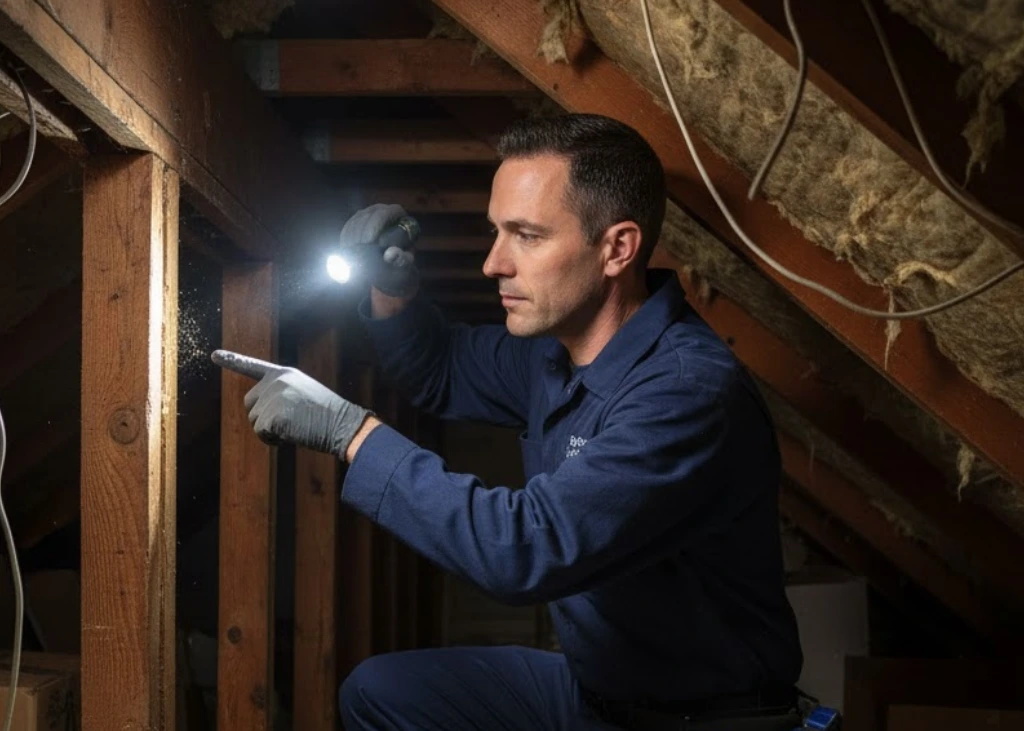
Absolutely. Landlords are generally legally responsible for commercial and residential pest control in most cases. In the UK, they have a legal obligation to ensure their property is fit before the start of a tenancy.
Laws like the Landlord and Tenant Act 1985 consolidate landlords’ duties regarding structural repairs, necessary installations, and providing a habitable environment for tenants. Another key law is the Homes (Fitness and Human Habitation) Act 2018, which states that if rented houses or flats are not fit for human habitation, tenants can take landlords to court. They can require repairs or seek compensation.
While landlords are primarily liable and often responsible for pest control, this isn’t always the case. Sometimes, the tenant is responsible for pest infestations caused by their negligence or fault.
When Is My Landlord Responsible For Pest Control?
You can’t just blame your landlord for pest issues without understanding when they’re responsible. Here’s when they’re responsible for handling pest control:
Structural Defects: Under section 11 of the Landlord and Tenant Act 1985, landlords must keep the property’s structure and exterior in good condition. If pests enter through holes, cracks, or gaps caused by structural issues, the landlord is responsible.
Faulty Maintenance: Old or faulty fixtures, drains, or roofs can lead to infestations. If pests invade due to delayed repairs or damaged parts, the landlord is accountable for pest control.
Pre-Existing Infestations: If a property is already infested before the tenant moves in, the landlord must treat the pests. Tenants should notify the landlord immediately upon spotting pests.
Legal Obligations & Agreements: Landlords are legally required to keep the property habitable throughout the tenancy. If the lease agreement specifies pest control responsibilities, the landlord must fulfill those obligations.
When Is The Tenant Responsible For Pest Control?
In some cases, tenants may be responsible for pest control because of negligence or other reasons. Here’s when the tenant would be liable:
Poor Housekeeping: Leaving leftover food or dirty dishes outside can attract pests like rats and cockroaches. When this happens, the tenant is usually responsible for pest control.
Lack of Proper Maintenance: Allowing trash bins to overflow or leaving trash scattered outside can lead to pest infestations. Such negligence by the tenant makes them liable for pest control.
Importing Pests: Transporting pests like bed bugs in luggage or clothing shifts responsibility away from the landlord; the tenant must handle such infestations.
Property Damage: Any pest problems resulting from property damage caused by the tenants are their responsibility for treatment.
Contractual Responsibilities: If the lease requires the tenant to handle pest control or maintain the property’s hygiene, the tenant is responsible for any failure to meet these obligations.
Landlord Or Tenants: Factors That Determine Pest Control Responsibility
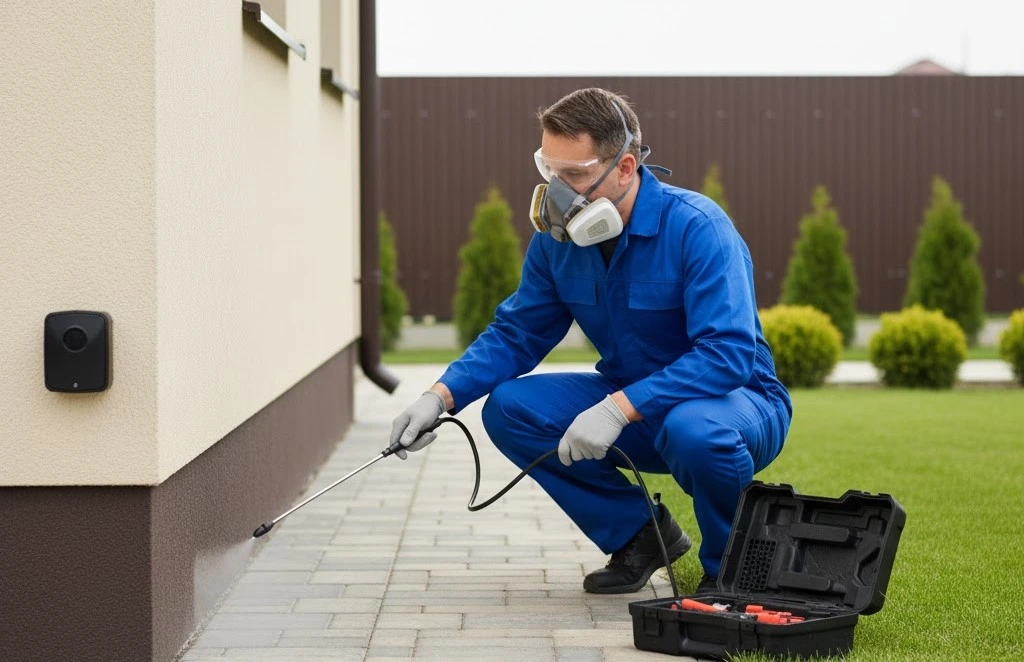
Some factors that determine pest control responsibilities:
- The Cause of Infestation
When pests invade due to structural defects, the landlord is responsible for pest control—even if the tenant contributed to the issue. Conversely, if pests result from unhygienic living conditions, the tenant is held accountable.
- Timing of Pest Infestation
If pests are discovered shortly after move-in, the landlord is typically responsible for treatment. However, if pests appear after several months of tenancy, the responsibility usually falls on the tenant.
- Contracts of Agreement
If the lease includes a pest control clause that clearly specifies responsibilities, both parties must adhere to it. For example, if the agreement states the property must be kept in a “habitable condition,” the landlord is responsible for maintaining that standard.
- Reporting Time
Tenants have a duty to report pest problems promptly. Delaying reporting might result in the tenant being held responsible for pest control.
What To Do If The Landlord Doesn’t Provide Pest Control?
If your landlord is responsible for pest control but refuses to address the issue, follow these steps:
- Confirm landlord’s responsibility: Make sure pest control falls under their duties before proceeding.
- Collect proof: Snap photos and record videos of the pests; write a detailed account of the problem.
- Send a formal notice: Notify your landlord in writing, explaining the pest issue and requesting action.
- Document everything: Keep copies of all correspondence, complaints, and notifications.
- Seek help from authorities: If no action is taken, escalate to your Local Council’s Environmental Health Department.
- Seek damages: You can claim compensation for damage, but do not withhold rent.
- Legal enforcement: The council can issue a formal order; if ignored, the landlord faces legal liabilities and fines.
- Ending the tenancy: When the property becomes uninhabitable and landlords ignore repeated warnings, you may have the right to terminate the lease early.
Bottom Line
Is the landlord responsible for pest control? We’ve outlined the circumstances where the landlord must take action and when they’re not liable. Knowing your rights helps you decide whether to raise a concern or take further steps, no matter if you’re a landlord or a tenant.
Get the basics straight first—understand your rights and approach the issue calmly. If needed, ask your landlord to hire a reputable pest control company before the problem worsens.
FAQ About Landlords vs Tenants’ Pest Control Responsibilities
When Can A Tenant Contact The Local Council?
Suppose a tenant reports pest issues and the landlord refuses to address them despite responsibility. In that case, the tenant can escalate the matter by filing a complaint with the local council’s Environmental Health Department. Tenants can also report issues related to severe disrepair, safety risks, or landlord unfair treatment.
What If The Tenant Denies Giving Access For Pest Control?
A landlord can’t legally force entry if a tenant refuses access to the house for pest control. In such cases, the landlord should take formal steps, such as obtaining a warrant or following legal procedures, to gain access. However, denying access may ultimately hold the tenants responsible for pest problems, including costs and potential penalties.
Can A Landlord Claim For Repairs?
Yes, landlords can claim repair expenses related to their rental properties to offset their income tax. These expenses apply only to repairs, not to upgrades or renovations.
Can I Refuse To Pay Rent If There Are Mice?
No, tenants cannot legally withhold or refuse to pay rent due to a mice infestation. Doing so can breach the tenancy agreement and risk eviction. Instead, tenants should report the issue to the landlord or seek a rent reduction through the local council.
How Many Mice Are Considered An Infestation?
There’s no specific number to define an infestation. However, spotting a live mouse suggests there may be multiple. The severity of an infestation can be assessed by signs such as droppings, gnaw marks, nesting materials, and increased activity.
Does Landlord Insurance Cover Pest Control?
Typically, standard landlord insurance does not cover pest control. Some policies may include home emergency cover, which can handle unexpected pest issues like vermin or wasp nests. It’s important to check your specific policy details.
What Qualifies As A Pest?
A pest is any living organism that causes harm to humans, pets, property, livestock, or crops. Common pest categories include rodents, insects, birds, and various other nuisance animals.